



As digital finance reshapes global payment systems, this collaboration brings together a leading Saudi financial institution, its innovation arm Jeal, and blockchain giant Ripple to test next-generation payment solutions in a regulated sandbox environment. The partnership reflects Saudi Arabia’s accelerating push toward financial modernization under Vision 2030. Where secure, efficient, and transparent digital payments are becoming a national priority.
By leveraging Ripple’s blockchain infrastructure, the initiative aims to explore faster cross-border transactions, improved liquidity management, and enhanced compliance frameworks for banks operating in the Kingdom. Within the first 160 words, the Riyad Bank’s Joel and Ripple sandbox partnership already signals how traditional banking and blockchain technology are converging to redefine payment rails across Saudi Arabia and beyond.
The Strategic Context Behind Blockchain Adoption in Saudi Arabia
Saudi Arabia’s financial sector is undergoing a profound transformation driven by digitalization, regulatory reform, and a growing appetite for fintech innovation. The Saudi Central Bank has actively supported sandbox environments that allow financial institutions to test emerging technologies without disrupting the stability of the broader banking system. Against this backdrop, the Riyad Bank’s Joel and Ripple sandbox partnership emerges as a strategic experiment designed to assess how blockchain payments can be integrated into mainstream banking.
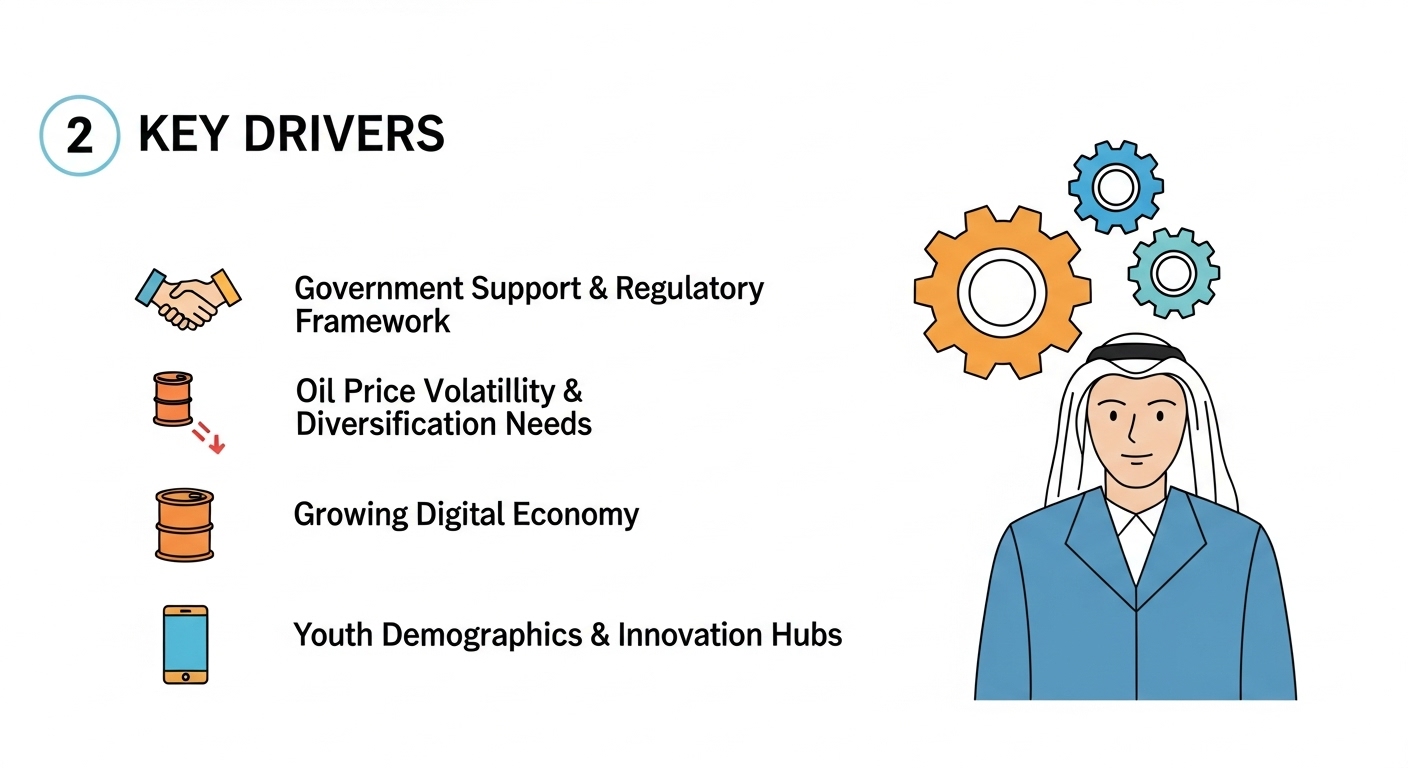
As cross-border payments remain costly and slow in traditional systems, Saudi banks are increasingly exploring distributed ledger technology to gain efficiency and competitiveness.
Riyad Bank’s Jeel and Ripple Sandbox Partnership Explained
The Riyad Bank’s Jeel and Ripple sandbox partnership is structured as a controlled testing initiative where blockchain-based payment solutions can be evaluated under regulatory oversight. Jeel, Riyad Bank’s digital innovation and venture arm, plays a central role in bridging traditional banking operations with emerging fintech infrastructure. Ripple contributes its blockchain technology, widely known for enabling near-instant settlement and reducing reliance on intermediaries.
The Role of Jeel in Driving Digital Banking Innovation
Through the Riyad Bank’s Jeel and Ripple sandbox partnership, Jeel demonstrates how incumbent banks can innovate without disrupting core operations.
How Ripple’s Blockchain Technology Supports Modern Payments
Within the Riyad Bank’s Jeel and Ripple sandbox partnership, Ripple’s technology is being assessed for its ability to streamline transaction flows and enhance liquidity efficiency. Traditional cross-border payments often involve multiple intermediaries, resulting in delays, high fees, and limited transparency.
Blockchain Payments in Saudi Arabia’s Banking Sector
The Riyad Bank’s Jeel and Ripple sandbox partnership reflects a broader trend of blockchain payments gaining traction within Saudi Arabia’s banking sector. As trade volumes increase and cross-border commerce expands, banks are under pressure to deliver faster and more cost-effective payment services.
Regulatory Sandboxes as Catalysts for Financial Innovation
Regulatory sandboxes have become essential tools for financial innovation worldwide, and Saudi Arabia is no exception.
Cross-Border Payments and Liquidity Optimization
Saudi Arabia’s position as a global energy exporter and trade hub makes efficient international payments a strategic necessity. Blockchain technology can reduce the need for pre-funded accounts in multiple currencies, freeing up capital and improving liquidity management
The Impact on Saudi Arabia’s Vision 2030 Goals
Saudi Arabia’s Vision 2030 emphasizes economic diversification, digital transformation, and global competitiveness. The Riyad Bank’s Jewel and Ripple sandbox partnership directly supports these objectives by advancing fintech innovation within the banking sector
Competitive Implications for Regional Banks
The Middle East’s banking landscape is becoming increasingly competitive as digital-native players and global fintech firms enter the market. Early adoption of blockchain payments could provide a competitive edge by enabling faster services, lower costs, and improved customer experiences. As clients become more digitally savvy, banks that fail to innovate risk losing market share to more agile competitors.
Riyad Bank’s Joel and Ripple Sandbox Partnership and Financial Inclusion
Beyond efficiency gains, the Riyad Bank’s Jeel and Ripple sandbox partnership has implications for financial inclusion in Saudi Arabia. Blockchain-based payment systems can lower transaction costs, making financial services more accessible to small businesses and underserved populations.
Security, Transparency, and Compliance Considerations
Security and compliance remain top priorities for Saudi banks exploring blockchain technology. Within the Riyad Bank’s Jeel and Ripple sandbox partnership, rigorous testing focuses on data integrity, cybersecurity resilience, and regulatory reporting. Blockchain’s immutable ledger enhances transparency by creating a permanent record of transactions, which can simplify audits and reduce fraud risk.
Lessons for Global Banking Innovation
The insights gained from the Riyad Bank’s Jeel and Ripple sandbox partnership extend beyond Saudi Arabia.
Future Outlook for Blockchain Payments in Saudi Arabia
This would represent a significant step toward modernizing payment infrastructure and enhancing the Kingdom’s global financial connectivity.
