


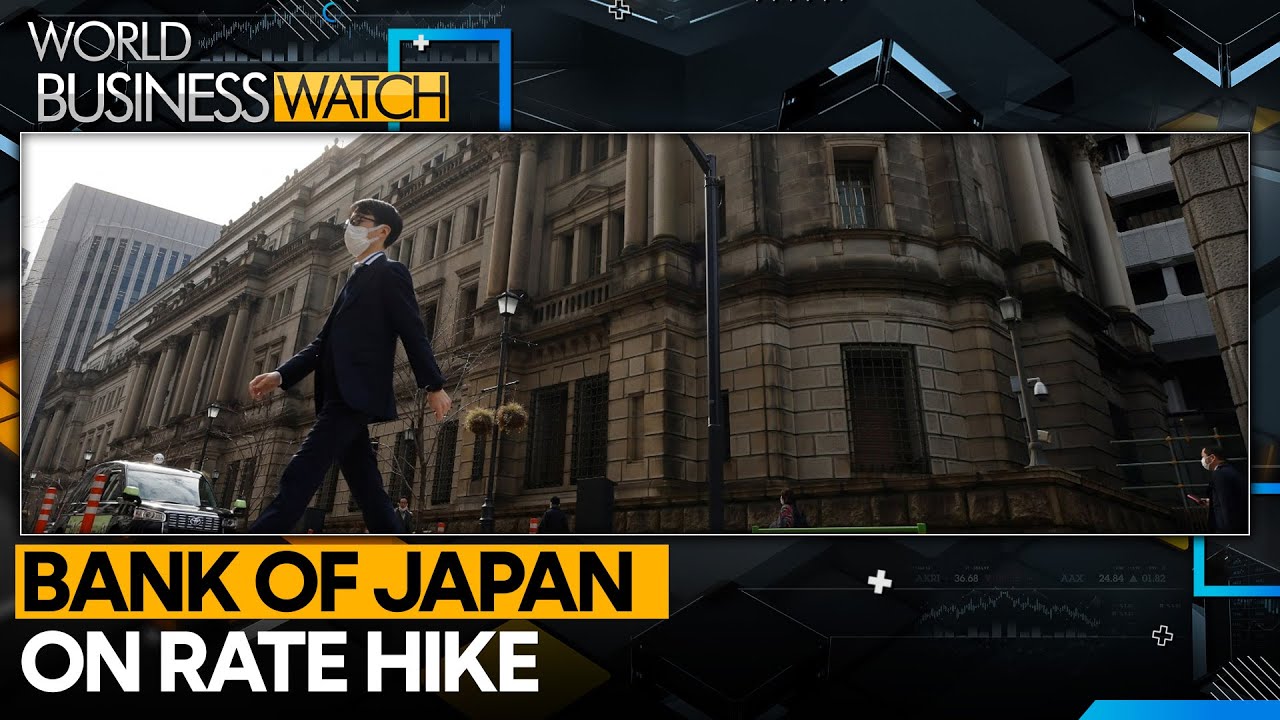
The possibility of a Japan rate hike has become one of the most closely watched macroeconomic developments in global financial markets. For decades, Japan stood as the last bastion of ultra-loose monetary policy, with near-zero or negative interest rates shaping global capital flows. As inflationary pressures persist and the Bank of Japan signals a gradual shift away from its historically accommodative stance, investors are asking a crucial question: what does a Japan rate hike mean for Bitcoin and the broader crypto market?
Cryptocurrency markets do not operate in isolation. They are deeply influenced by global liquidity conditions, currency movements, and investor risk appetite. Historically, changes in Japanese monetary policy have had ripple effects across equities, bonds, foreign exchange, and increasingly, digital assets. The yen’s role as a funding currency and Japan’s importance in global capital markets make any shift in interest rates particularly significant.
This article explores how a looming Japan rate hike could affect Bitcoin and the broader crypto market through the lens of historical trends. By examining previous rate changes, macroeconomic transmission mechanisms, and investor behavior, we can better understand potential scenarios ahead. While no two cycles are identical, history often offers valuable clues for navigating uncertainty in a rapidly evolving crypto landscape.
Japan’s Monetary Policy Shift
Why Japan’s Interest Rates Matter Globally
Japan’s interest rate policy has long been an anomaly among developed economies. While the U.S. Federal Reserve and European Central Bank tightened policy aggressively in recent years, Japan maintained near-zero rates to stimulate growth and combat deflation. This divergence made the Japanese yen a preferred funding currency for carry trades, where investors borrowed cheaply in yen to invest in higher-yielding assets elsewhere.
A Japan rate hike disrupts this dynamic. Higher Japanese interest rates can strengthen the yen, unwind carry trades, and reduce global liquidity. For risk assets like Bitcoin and the broader cryptocurrency market, liquidity conditions are a key driver of price movements. When capital becomes more expensive or less abundant, speculative assets often feel the pressure first.
Inflation, Wages, and the Bank of Japan’s Dilemma
The Bank of Japan faces a delicate balancing act. Rising inflation and wage growth suggest that ultra-loose policy may no longer be appropriate. At the same time, Japan’s economy remains sensitive to tightening, given its high debt levels and aging population. Any rate hike is likely to be gradual, but even modest changes can have outsized psychological and financial effects on global markets.
For crypto investors, the significance lies not only in the rate hike itself but in the signal it sends. A shift toward tighter monetary policy in Japan reinforces a global narrative of reduced liquidity, which has historically influenced Bitcoin’s price cycles.
Historical Japan Rate Hikes and Market Reactions
Lessons from Past Policy Adjustments
Although Japan has rarely raised rates over the past three decades, the few instances offer valuable insights. Previous rate hikes were often accompanied by yen appreciation and short-term volatility in global markets. Equity markets typically experienced brief corrections, while capital flows adjusted to new yield differentials.
At the time, Bitcoin was either nonexistent or in its infancy. However, broader risk asset behavior provides a useful proxy. Assets that thrived on cheap liquidity often underperformed during periods of tightening, while defensive assets gained relative strength.

Comparing Historical Trends to Modern Crypto Markets
Today’s financial ecosystem is far more interconnected, and the crypto market is now a meaningful component of global risk sentiment. A Japan rate hike could trigger similar reactions seen in equities and emerging markets in the past, but with amplified effects due to crypto’s volatility.
Historically, when global central banks signaled tighter monetary policy, Bitcoin experienced increased volatility, often followed by consolidation phases. These periods did not necessarily mark the end of long-term uptrends but did reshape market structure and investor expectations.
Bitcoin’s Sensitivity to Global Liquidity
Liquidity as a Core Driver of Bitcoin Price
Bitcoin’s performance has shown a strong correlation with global liquidity cycles. Periods of expansive monetary policy and low interest rates have often coincided with significant Bitcoin bull runs. Conversely, tightening cycles tend to introduce headwinds.
A Japan rate hike contributes to global liquidity tightening, even if the move is modest. Reduced liquidity can dampen speculative fervor, leading to lower trading volumes and more cautious positioning in Bitcoin and other cryptocurrencies.
Yen Strength and Its Impact on Risk Assets
A stronger yen resulting from higher Japanese rates can have indirect effects on Bitcoin. Yen appreciation often leads to the unwinding of carry trades, reducing capital available for high-risk investments. Historically, when funding currencies strengthen, risk assets face downward pressure.
However, Bitcoin’s decentralized nature and growing reputation as a hedge against fiat instability complicate this relationship. Some investors may view a Japan rate hike as evidence of systemic stress in traditional markets, potentially increasing Bitcoin’s appeal over the long term.
The Broader Crypto Market Response
Altcoins and Market Structure During Tightening Cycles
While Bitcoin often leads the market, the broader crypto market tends to react more dramatically to macroeconomic shifts. Altcoins, which typically carry higher risk profiles, are especially sensitive to changes in liquidity and investor sentiment.
Historical tightening cycles have shown that altcoins often underperform Bitcoin during periods of uncertainty. Capital tends to rotate toward assets perceived as more established or resilient, reinforcing Bitcoin’s dominance within the crypto ecosystem.
Institutional Investors and Risk Reassessment
Institutional participation in crypto has grown significantly in recent years. These investors are particularly attuned to macroeconomic signals like a Japan rate hike. When interest rates rise, institutional portfolios often rebalance toward lower-risk assets, at least temporarily.
This reassessment can lead to short-term outflows from crypto markets. However, institutions also tend to take a longer-term view, and periods of macro-driven weakness have historically provided accumulation opportunities for those with high conviction.
Japan’s Unique Relationship with Crypto
Retail Adoption and Cultural Factors
Japan has one of the most regulated and mature crypto markets in the world. Retail adoption is relatively high, and exchanges operate under clear regulatory frameworks. A Japan rate hike could influence domestic investor behavior, particularly if higher rates make traditional savings vehicles more attractive.
However, Japan’s tech-savvy population and familiarity with digital assets mean that crypto is unlikely to lose relevance entirely. Instead, trading patterns may shift, with investors becoming more selective and risk-aware.
Regulatory Stability Amid Monetary Change
Unlike abrupt regulatory crackdowns seen in some regions, Japan’s approach to crypto regulation has been measured and consistent. This stability can act as a counterbalance to the uncertainty introduced by a rate hike. For global investors, Japan remains a relatively predictable environment within the often volatile crypto regulatory landscape.
Short-Term Volatility Versus Long-Term Trends
Market Psychology Around Rate Hikes
Financial markets tend to react strongly to expectations rather than events themselves. Much of the impact of a Japan rate hike may already be priced in by the time it occurs. Historically, this has led to “sell the rumor, buy the news” dynamics, where initial volatility gives way to stabilization.
Bitcoin’s history supports this pattern. Sharp reactions to macro headlines are often followed by periods of consolidation, during which long-term trends reassert themselves.

Long-Term Bitcoin Adoption Amid Macro Shifts
Despite short-term turbulence, Bitcoin’s long-term trajectory has been shaped by adoption, technological development, and its role as a digital store of value. A Japan rate hike does not fundamentally alter these drivers. Instead, it influences the pace and pattern of market cycles.
Historically, Bitcoin has adapted to multiple tightening cycles, emerging stronger as market participants gain a deeper understanding of its value proposition within a changing global financial system.
Global Context: Japan in a Multi-Polar Monetary World
Interactions with U.S. and European Policies
A Japan rate hike does not occur in isolation. Its impact depends on how it aligns with policies from the Federal Reserve and European Central Bank. If Japan tightens while others ease, capital flows could rebalance in unexpected ways, potentially supporting risk assets like Bitcoin.
Conversely, synchronized tightening amplifies liquidity constraints. In such scenarios, historical trends suggest heightened volatility across all speculative markets, including crypto.
Emerging Markets, Currency Dynamics, and Crypto
Japan’s policy shift also affects emerging markets, many of which rely on yen-denominated funding. Currency volatility in these regions can spill over into crypto markets, as investors seek alternatives to unstable local currencies. In this context, Bitcoin can simultaneously face macro headwinds and increased demand, creating complex price dynamics.
What Investors Can Learn from History
Avoiding Overreaction to Macro Headlines
One consistent lesson from historical trends is the danger of overreacting to single macro events. While a Japan rate hike is significant, its effects unfold over time and interact with numerous other variables. Bitcoin’s past shows that patience and perspective are critical during periods of macro uncertainty.
Positioning for Different Scenarios
Investors who understand historical patterns are better equipped to navigate volatility. Whether the market experiences a short-term correction or a prolonged consolidation, history suggests that disciplined strategies outperform emotional reactions, particularly in the highly volatile crypto market.
Conclusion
The prospect of a Japan rate hike represents a meaningful shift in global monetary dynamics, with important implications for Bitcoin and the broader crypto market. Historical trends indicate that tighter monetary policy can introduce short-term volatility, reduce global liquidity, and challenge risk assets. However, they also show that Bitcoin has repeatedly weathered such environments, adapting to new macro realities and continuing its long-term evolution.
While a Japan rate hike may reshape capital flows and investor sentiment in the near term, it does not undermine the fundamental drivers of crypto adoption. By understanding historical patterns and maintaining a long-term perspective, investors can better navigate the uncertainty ahead and make informed decisions in an increasingly interconnected financial world.
Frequently Asked Questions
Q.How does a Japan rate hike affect Bitcoin directly?
A Japan rate hike affects Bitcoin indirectly through global liquidity and currency markets. Higher Japanese interest rates can strengthen the yen, reduce carry trades, and tighten liquidity, which often leads to short-term volatility in Bitcoin prices.
Q.Has Bitcoin reacted to Japan’s monetary policy changes in the past?
While Bitcoin’s early years saw limited interaction with Japan’s policy, more recent periods show that global tightening cycles, including signals from the Bank of Japan, have influenced Bitcoin’s volatility and market sentiment.
Q.Will a stronger yen hurt the crypto market?
A stronger yen can reduce global risk appetite by unwinding carry trades, which may pressure the crypto market in the short term. However, it can also highlight systemic risks in traditional finance, potentially supporting long-term crypto adoption.
Q.Are altcoins more vulnerable than Bitcoin to rate hikes?
Historically, altcoins tend to be more sensitive to liquidity tightening than Bitcoin. During periods of rising interest rates, investors often rotate toward more established assets, increasing Bitcoin’s relative strength.
Q.Should long-term investors worry about a Japan rate hike?
Long-term investors should view a Japan rate hike as part of the broader macro cycle rather than a standalone threat. Historical trends suggest that while volatility may increase, Bitcoin’s long-term fundamentals remain intact.
