


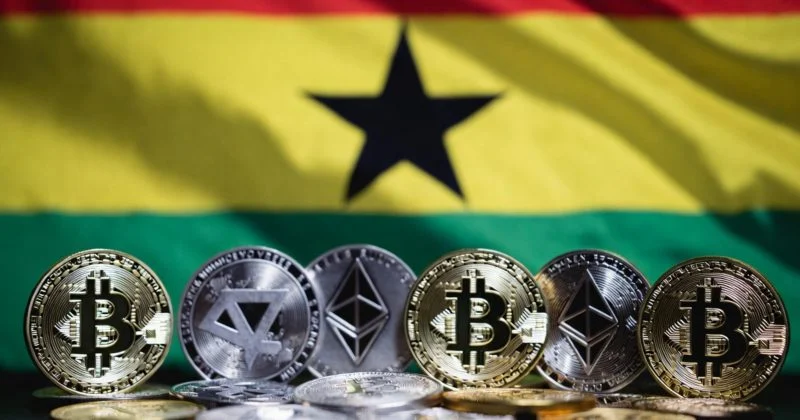
Ghana has taken a historic step in Africa’s financial evolution. With the passage of a new law, Ghana legalizes crypto trading, formally recognizing digital assets within its regulatory framework while simultaneously announcing plans to explore gold-backed stablecoins. This landmark decision signals a major shift in how one of West Africa’s most influential economies views cryptocurrency, blockchain technology, and the future of money.
For years, crypto adoption in Ghana grew organically, driven by remittances, inflation hedging, mobile money integration, and a youthful, tech-savvy population. However, this growth largely occurred in a regulatory gray area. The new legislation changes that reality by providing legal clarity, consumer protection, and institutional legitimacy to crypto markets. At the same time, Ghana’s interest in gold-backed stablecoins introduces a unique blend of traditional assets and digital finance.
This article explores why Ghana legalized crypto trading, how the new law reshapes the financial landscape, what gold-backed stablecoins could mean for the country, and how these developments position Ghana as a potential leader in Africa’s digital economy.
Why Ghana Legalized Crypto Trading Now
The decision to legalize crypto trading did not happen overnight. Ghana has long been at the intersection of financial innovation and economic necessity. Rising inflation, currency volatility, and increasing demand for cross-border payments pushed both consumers and businesses toward cryptocurrencies as alternative financial tools.
By choosing to regulate rather than restrict, Ghana acknowledges the reality that crypto is already deeply embedded in everyday economic activity. Legalizing crypto trading allows authorities to bring transparency, oversight, and compliance into a space that was previously informal. It also enables the government to mitigate risks such as fraud, money laundering, and consumer exploitation without stifling innovation.
Timing also played a role. As global attitudes toward digital assets mature and African countries explore blockchain-based solutions, Ghana’s move reflects a strategic effort to remain competitive in the evolving global financial system.
Key Features of Ghana’s New Crypto Law
The new legislation establishes a legal foundation for cryptocurrency trading, exchanges, and related services. Under the law, crypto platforms operating in Ghana must comply with licensing requirements, reporting standards, and consumer protection rules. This framework aims to balance innovation with financial stability.
By defining cryptocurrencies as regulated digital assets rather than illegal instruments, the law offers clarity to investors and entrepreneurs. Banks, fintech firms, and payment providers can now explore crypto-related services without fear of regulatory backlash. This clarity is essential for attracting foreign investment and encouraging domestic innovation.
Importantly, the law also empowers regulators to monitor market activity, ensuring that crypto trading aligns with national economic objectives and international compliance standards.
The Role of the Bank of Ghana in Crypto Regulation
The Bank of Ghana plays a central role in implementing and overseeing the new crypto framework. As the country’s primary monetary authority, it is responsible for ensuring that crypto adoption does not undermine financial stability or monetary policy.
Rather than viewing crypto as a threat, the central bank’s involvement signals a pragmatic approach. Oversight allows Ghana to harness the benefits of blockchain technology while addressing risks associated with volatility and illicit activity. This cooperative stance between policymakers and innovators strengthens trust in the system.
The Bank of Ghana’s engagement also sets the stage for future experimentation, including the exploration of gold-backed stablecoins as a complementary financial instrument.
Ghana’s Vision for Gold-Backed Stablecoins
One of the most intriguing aspects of this development is Ghana’s plan to explore gold-backed stablecoins. As one of Africa’s largest gold producers, Ghana has a natural advantage in linking its mineral wealth to digital assets.
A gold-backed stablecoin would be a digital currency pegged to the value of physical gold reserves. Unlike volatile cryptocurrencies, such stablecoins aim to provide price stability while retaining the efficiency and transparency of blockchain technology. For Ghana, this represents an opportunity to create a trusted digital asset rooted in real-world value.
This initiative aligns with broader efforts to strengthen monetary sovereignty, reduce reliance on foreign currencies, and promote innovative financial instruments that reflect national resources.

How Gold-Backed Stablecoins Could Work in Practice
In practical terms, a gold-backed stablecoin would require verified gold reserves held by a trusted authority. Each token issued would represent a specific quantity of gold, ensuring transparency and backing. Blockchain technology would enable real-time auditing, traceability, and secure transactions.
For users, this could offer a digital asset that combines the stability of gold with the accessibility of crypto. Transactions could be faster and cheaper than traditional gold trading, making it easier for individuals and businesses to store and transfer value.
By exploring this model, Ghana positions itself at the forefront of innovative monetary solutions that blend tradition with technology.
Economic Implications for Ghana
The legalization of crypto trading and exploration of gold-backed stablecoins could have far-reaching economic implications. First, it may attract international crypto firms seeking a regulated African base of operations. This could lead to job creation, technology transfer, and increased tax revenue.
Second, legal crypto markets can improve financial inclusion. Many Ghanaians remain underserved by traditional banking, yet mobile phone penetration is high. Regulated crypto platforms can provide access to digital financial services, savings tools, and cross-border payments.
Finally, a gold-backed stablecoin could enhance trust in digital finance by offering a stable alternative to volatile assets, potentially supporting trade and investment.
Impact on Crypto Adoption in Ghana
With Ghana legalizing crypto trading, adoption is likely to accelerate. Legal clarity reduces fear and uncertainty, encouraging more people to participate openly in the crypto economy. Businesses can accept crypto payments, developers can build blockchain applications, and investors can trade with greater confidence.
This formal recognition may also encourage educational initiatives, fostering a deeper understanding of blockchain technology and digital assets. Over time, this could lead to a more sophisticated and resilient crypto ecosystem.
As adoption grows, Ghana could emerge as a regional hub for blockchain innovation, influencing neighboring countries to adopt similar regulatory approaches.
Ghana’s Move in the Context of African Crypto Regulation
Across Africa, governments are grappling with how to regulate cryptocurrencies. Some have imposed restrictions, while others adopt cautious observation. Ghana’s decision stands out for its balanced and forward-looking approach.
By legalizing crypto trading and exploring stablecoins, Ghana demonstrates that regulation and innovation are not mutually exclusive. This contrasts with outright bans that often drive activity underground without addressing underlying demand.
Ghana’s model could serve as a blueprint for other African nations seeking to harness crypto’s benefits while managing its risks.
Challenges and Risks Ahead
Despite the optimism, challenges remain. Crypto markets are inherently volatile, and regulatory capacity must keep pace with innovation. Ensuring compliance, preventing fraud, and protecting consumers will require continuous oversight and adaptation.
Gold-backed stablecoins also present logistical and governance challenges. Transparent reserve management, independent audits, and clear redemption mechanisms are essential to maintain trust. Without these safeguards, confidence could erode quickly.
Addressing these challenges will be critical to the long-term success of Ghana’s crypto strategy.
The Global Significance of Ghana’s Decision
On a global scale, Ghana’s move adds momentum to the trend of emerging markets embracing digital assets. It highlights how countries rich in natural resources can leverage blockchain technology to create innovative financial products.
As discussions around central bank digital currencies, stablecoins, and tokenized assets intensify worldwide, Ghana’s experience may offer valuable lessons on integrating digital finance into national economies.
This development reinforces the idea that the future of finance will be shaped not only by major economies but also by forward-thinking nations willing to innovate responsibly.
Conclusion
By passing a new law to legalize crypto trading and planning to explore gold-backed stablecoins, Ghana has taken a bold and strategic step into the future of finance. This decision brings clarity, legitimacy, and opportunity to a rapidly growing digital asset market.
Rather than resisting change, Ghana has chosen to shape it. With strong regulatory oversight, innovative thinking, and a unique gold-backed vision, the country is positioning itself as a leader in Africa’s crypto evolution.
If implemented effectively, this framework could unlock economic growth, enhance financial inclusion, and inspire other nations to follow a similar path. Ghana’s crypto journey is just beginning, but its implications could be felt far beyond its borders.
Frequently Asked Questions (FAQs)
Q. What does it mean that Ghana legalized crypto trading?
It means cryptocurrency trading is now legally recognized and regulated, allowing licensed platforms to operate under clear rules and oversight.
Q. Why is Ghana exploring gold-backed stablecoins?
Ghana aims to combine its gold reserves with blockchain technology to create a stable digital asset that offers trust, transparency, and monetary stability.
Q. How will this affect crypto users in Ghana?
Users will benefit from legal protection, safer platforms, and increased confidence when trading or using cryptocurrencies.
Q. Is Ghana the first African country to legalize crypto trading?
While not the first, Ghana’s comprehensive and forward-looking approach sets it apart from many other African nations.
Q. Can gold-backed stablecoins reduce crypto volatility?
Yes, gold-backed stablecoins are designed to offer price stability by linking digital tokens to the value of physical gold reserves.
