



Today, blockchain technology is reshaping digital commerce by offering decentralized, transparent, and borderless payment systems. Businesses are exploring crypto payment gateways, stablecoin transactions, and smart contract automation to streamline operations and reduce costs. As consumer expectations evolve toward faster, more secure transactions, Blockchain Payment Solutions Disrupting Traditional E-Commerce Models have become more than a trend—they are an emerging necessity. From small online retailers to multinational marketplaces, companies are reassessing their infrastructure to remain competitive in a rapidly digitizing global economy.
Blockchain Payment Solutions Disrupting Traditional E-Commerce Models Explained
At the heart of Blockchain Payment Solutions Disrupting Traditional E-Commerce Models lies decentralization. Traditional e-commerce payments depend on financial intermediaries such as banks and card processors. These institutions validate transactions, manage settlements, and impose service fees.
Blockchain-based systems eliminate many intermediaries by leveraging distributed ledger technology. Transactions occur directly between buyer and seller, validated by a network rather than a central authority. This structure reduces processing costs and enhances transparency.
Cryptocurrencies such as Bitcoin and Ethereum enable peer-to-peer payments without relying on traditional card networks. Additionally, stablecoins pegged to fiat currencies offer price stability, addressing volatility concerns. As a result, merchants gain access to global markets while minimizing chargebacks and payment fraud risks.
Lower Transaction Fees and Faster Settlements
One of the strongest drivers behind Blockchain Payment Solutions Disrupting Traditional E-Commerce Models is cost efficiency. Traditional payment processors charge merchants transaction fees that can range between two and five percent per sale. For high-volume businesses, these fees significantly impact profit margins.
Blockchain payments often reduce fees by removing multiple intermediaries. Settlement times also improve dramatically. While credit card transactions may take days to fully clear, blockchain transactions can finalize within minutes depending on network congestion.
Faster settlements improve cash flow management for online retailers. Businesses can reinvest funds quickly without waiting for lengthy banking cycles. Search queries like reduce e-commerce payment fees, crypto payment gateway for online stores, and fast global payment solutions reflect strong demand for alternatives to conventional systems.
Enhanced Security and Fraud Prevention
Security concerns remain central to online commerce. Traditional e-commerce models face recurring threats from data breaches, identity theft, and chargeback fraud.
The decentralized architecture behind Blockchain Payment Solutions Disrupting Traditional E-Commerce Models enhances security by encrypting transaction data across a distributed ledger. Once recorded, transactions cannot be altered retroactively. Unlike credit card payments that require sharing sensitive information, blockchain payments rely on cryptographic keys. This reduces the risk of data exposure and unauthorized transactions.
Fraud prevention benefits both merchants and customers. Chargeback abuse, a common issue in e-commerce, becomes nearly impossible with irreversible blockchain transactions. As cybercrime grows globally, businesses increasingly prioritize secure digital payment systems.
Global Accessibility and Financial Inclusion
E-commerce thrives on global reach, yet traditional banking systems limit participation in many regions. Millions of consumers lack access to credit cards or stable banking infrastructure.
Blockchain Payment Solutions Disrupting Traditional E-Commerce Models expand financial inclusion by enabling anyone with internet access and a digital wallet to participate in global commerce. In emerging markets, cryptocurrency adoption often surpasses traditional banking penetration. Blockchain payments allow cross-border transactions without currency exchange barriers or high remittance fees.
This accessibility benefits both consumers and merchants seeking new markets. Businesses can tap into previously underserved customer bases without complex banking arrangements. Search terms such as cross-border crypto payments, blockchain for global e-commerce, and financial inclusion through blockchain highlight growing awareness of this opportunity.
Smart Contracts and Automated Transactions
Automation represents another transformative aspect of Blockchain Payment Solutions Disrupting Traditional E-Commerce Models. Smart contracts, primarily associated with networks like Ethereum, enable programmable transactions.Smart contracts execute automatically when predefined conditions are met. For example, funds can release only after delivery confirmation. This reduces disputes and enhances buyer-seller trust.
E-commerce platforms can integrate blockchain-based escrow systems to safeguard transactions. Automation lowers administrative overhead while improving transparency. By embedding logic directly into payment infrastructure, blockchain enhances efficiency beyond simple transaction processing.
Impact on Traditional Payment Giants
The expansion of Blockchain Payment Solutions Disrupting Traditional E-Commerce Models inevitably affects established financial institutions. Companies like Visa and PayPal dominate global digital payments. However, these firms are adapting by integrating cryptocurrency support and blockchain experimentation into their services. The shift indicates recognition that decentralized finance represents both a challenge and an opportunity.
Competition from blockchain-native payment providers pushes traditional companies to innovate. Consumers benefit from lower fees, improved transparency, and expanded options. The evolving competitive landscape underscores blockchain’s growing influence in financial services.
Decentralized Finance Integration
The rise of decentralized finance, or DeFi, further accelerates Blockchain Payment Solutions Disrupting Traditional E-Commerce Models. DeFi protocols allow users to lend, borrow, and earn yield without banks.
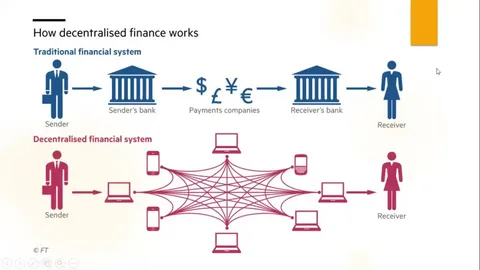
For e-commerce merchants, integrating DeFi tools enables new financial models. Businesses can access liquidity pools, decentralized lending platforms, and stablecoin settlements without traditional banking intermediaries. This integration reduces reliance on centralized institutions while increasing operational flexibility. As DeFi adoption expands, its intersection with online commerce creates innovative financial ecosystems.
Consumer Behavior and Digital Trust
Consumer expectations are shifting toward transparency and digital ownership. Younger generations increasingly value decentralized technologies and digital currencies. The growth of digital wallets, NFTs, and Web3 platforms reinforces the relevance of Blockchain Payment Solutions Disrupting Traditional E-Commerce Models. Customers comfortable with crypto assets prefer seamless payment integration.
Trust also improves when transactions are recorded immutably on public ledgers. Transparency reduces skepticism around hidden fees or processing delays. As digital-native consumers dominate online shopping demographics, blockchain adoption may accelerate further.
Challenges Slowing Adoption
Despite its advantages, Blockchain Payment Solutions Disrupting Traditional E-Commerce Models face obstacles. Cryptocurrency price volatility can deter merchants from accepting certain tokens. Regulatory uncertainty in various jurisdictions complicates compliance. Governments continue developing frameworks for digital asset taxation and reporting.
Scalability also remains a technical challenge for some blockchain networks. High transaction volumes can increase fees and processing times during peak demand. However, ongoing technological improvements, including layer-two solutions and stablecoin adoption, address many of these limitations.
The Future of Blockchain in Online Commerce
The long-term outlook for Blockchain Payment Solutions Disrupting Traditional E-Commerce Models remains promising. As blockchain scalability improves and regulatory clarity strengthens, adoption barriers may diminish. Major e-commerce platforms are exploring crypto integration to attract global customers. Hybrid systems combining traditional and blockchain payments could become standard.
The convergence of blockchain, artificial intelligence, and digital identity verification may further enhance security and personalization in online shopping. Innovation continues to reshape financial technology at an unprecedented pace.
Conclusion
The transformation of online commerce is underway. Blockchain Payment Solutions Disrupting Traditional E-Commerce Models are redefining transaction speed, cost efficiency, security, and global accessibility.
By eliminating intermediaries, enhancing fraud protection, and enabling borderless payments, blockchain technology addresses longstanding limitations in traditional systems. While challenges remain, innovation continues driving adoption forward.
See more: SWIFT Blockchain Stablecoins Impact on Global Banking
