


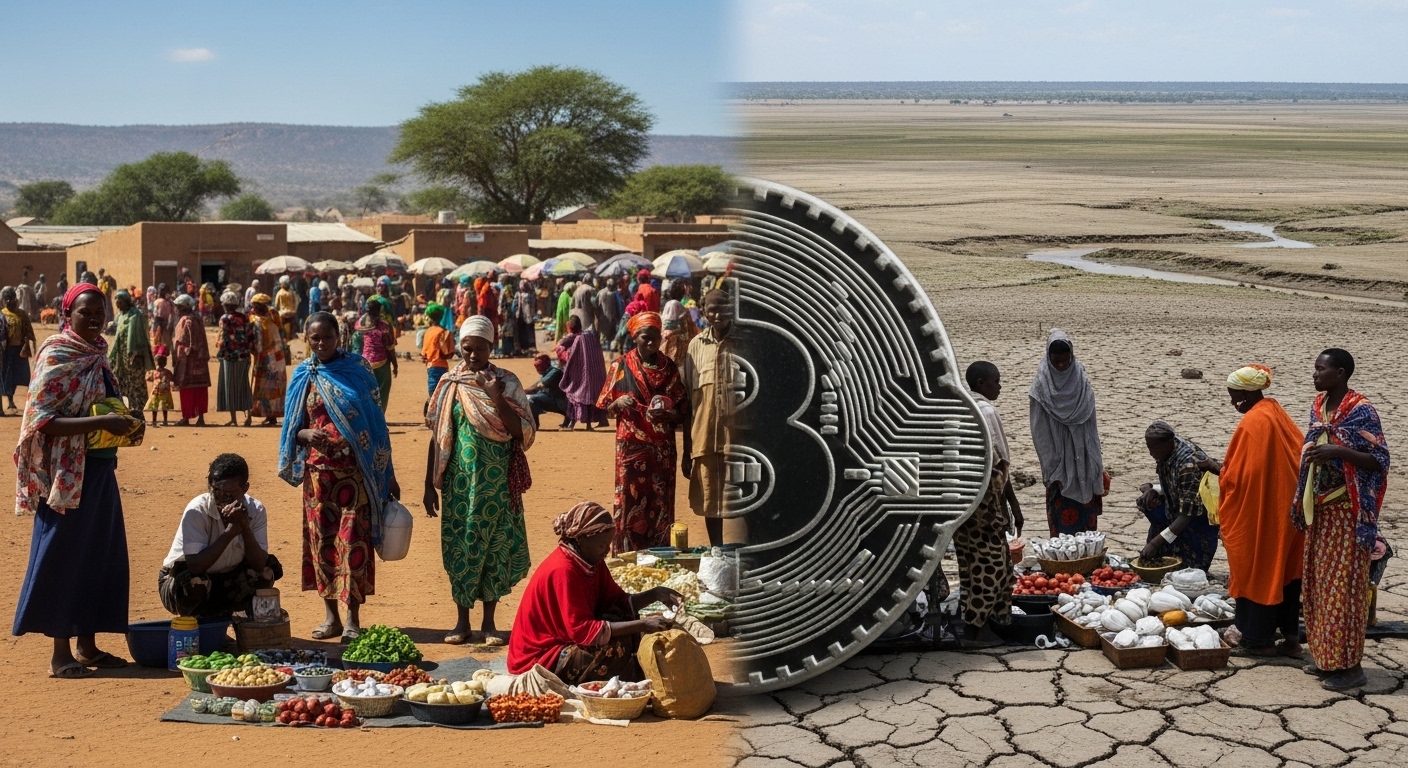
The concept of Bitcoin Mining on the Nile intersects with geopolitics, renewable energy development, and long-standing tensions between Ethiopia, Egypt, and Sudan. While Ethiopia views GERD as a cornerstone of economic development, Egypt and Sudan worry about water security and downstream impacts. Introducing crypto mining into this equation adds another layer of complexity, potentially redefining how energy, water, and digital assets shape regional dynamics.
Bitcoin Mining on the Nile: A New Energy Frontier
The phrase Bitcoin Mining on the Nile reflects a broader global trend where renewable energy projects integrate cryptocurrency mining to monetize surplus electricity. Hydropower, in particular, has become attractive to Bitcoin miners due to its relatively low operational costs and reduced carbon footprint.
GERD, once fully operational, is projected to generate over 6,000 megawatts of electricity. For Ethiopia, this capacity represents more than domestic electrification; it signals export potential and industrial expansion. If excess electricity exists beyond national demand, hydropower Bitcoin mining could become a viable revenue stream.
Bitcoin mining converts electricity into digital assets through high-performance computing. Regions with abundant, low-cost power often attract mining companies seeking competitive advantages. The prospect of Bitcoin Mining on the Nile hinges on whether Ethiopia chooses to allocate part of GERD’s output to such ventures.
The Grand Ethiopian Renaissance Dam and Crypto Potential
GERD’s Energy Ambitions
The Grand Ethiopian Renaissance Dam represents one of Africa’s largest infrastructure projects. Built on the Blue Nile, it symbolizes Ethiopia’s ambition to become a regional energy exporter. Hydropower from GERD could transform industries, expand manufacturing, and support electrification in rural areas.
If Ethiopia achieves consistent surplus generation, officials may explore innovative monetization strategies. This is where Bitcoin Mining on the Nile enters the discussion. By channeling excess hydropower into crypto mining facilities, Ethiopia could generate foreign currency revenue without relying solely on traditional exports.
Renewable Energy and Sustainable Mining
Environmental debates around Bitcoin often focus on fossil fuel usage. However, hydroelectric projects like GERD provide a renewable alternative. Renewable-powered crypto mining could position Ethiopia as a leader in green blockchain infrastructure.
For Egypt and Sudan, the environmental implications are equally important. While hydroelectric mining reduces carbon emissions compared to coal-powered operations, water management remains sensitive. The Nile River supports millions of livelihoods downstream. Any operational decision tied to GERD inevitably carries geopolitical weight.
Implications for Egypt and Sudan
Water Security and Regional Tensions
The Nile is Egypt’s lifeline. The country relies on its waters for agriculture, drinking supply, and economic stability. Sudan similarly depends on predictable river flows. Concerns about reservoir filling schedules and water allocation have fueled diplomatic tensions for years.
If Bitcoin Mining on the Nile becomes a policy reality, Egypt and Sudan may scrutinize how electricity production interacts with water management. Although hydropower generation itself does not consume water in the same way irrigation does, reservoir operations can influence downstream availability. Energy generation strategies linked to crypto mining could raise suspicions about Ethiopia prioritizing digital revenue over regional water cooperation. Diplomatic negotiations may therefore extend beyond water rights to include energy allocation transparency.
Economic Competition and Opportunity
While tensions exist, opportunities also emerge. Sudan, positioned between Ethiopia and Egypt, could benefit from stable electricity imports from GERD. Affordable energy might stimulate industrial growth or even support its own cryptocurrency initiatives.

Egypt, with a more developed financial sector, could explore blockchain adoption in banking and trade. Rather than viewing Bitcoin Mining on the Nile solely as a threat, regional cooperation might unlock shared economic gains.
Bitcoin Mining on the Nile and African Digital Transformation
Africa’s digital economy is expanding rapidly. Mobile banking innovations and fintech startups have reshaped financial inclusion across the continent. Introducing Bitcoin Mining on the Nile aligns with broader trends toward blockchain adoption.
Cryptocurrency offers potential benefits for countries facing currency volatility or limited access to global financial markets. For Ethiopia, digital asset mining could diversify foreign exchange sources. For Egypt and Sudan, blockchain technology might enhance remittance flows and cross-border trade efficiency. However, regulatory clarity remains crucial. Governments must establish frameworks addressing taxation, energy allocation, and anti-money laundering compliance. Without clear policies, large-scale crypto mining projects could face legal uncertainty.
Energy Economics: Profitability and Risks
Monetizing Surplus Electricity
Hydropower plants often produce variable output depending on seasonal rainfall and reservoir levels. During periods of surplus, electricity prices may decline due to oversupply. Bitcoin mining offers a flexible demand source capable of absorbing excess generation.
The economic case for Bitcoin Mining on the Nile depends on global Bitcoin prices, mining difficulty, and hardware efficiency. If energy costs remain low and infrastructure investments are managed prudently, Ethiopia could create a new digital revenue stream.
Market Volatility and Infrastructure Costs
Bitcoin’s price volatility presents a significant risk. Sudden downturns could render mining operations less profitable. Additionally, establishing mining facilities requires capital investment in data centers, cooling systems, and cybersecurity. For Ethiopia, balancing these risks against potential rewards will determine whether Bitcoin Mining on the Nile becomes a long-term strategy or a short-lived experiment.
Geopolitical Considerations
The Nile basin has long been a site of geopolitical negotiation. Any new development tied to GERD carries diplomatic implications. If Ethiopia pursues crypto mining, transparency in energy allocation will be essential to maintaining trust.
International organizations and financial institutions may also play a role. Development banks funding energy projects often require adherence to sustainability and governance standards. Integrating green Bitcoin mining within such frameworks could enhance Ethiopia’s global standing. At the same time, Egypt and Sudan may seek guarantees that hydropower decisions prioritize regional stability over speculative ventures. Dialogue and cooperation remain critical.
Environmental and Climate Dimensions
Hydropower is widely regarded as renewable, but climate change introduces uncertainty. Altered rainfall patterns can affect reservoir levels and generation capacity. Long-term viability of Bitcoin Mining on the Nile depends on consistent water flow. Climate resilience strategies must accompany any expansion of energy-intensive industries. Diversifying energy sources, investing in grid modernization, and promoting regional energy sharing could mitigate risk.
Conclusion
The prospect of Bitcoin Mining on the Nile highlights how digital innovation intersects with traditional geopolitics. The Grand Ethiopian Renaissance Dam represents both opportunity and tension for Ethiopia, Egypt, and Sudan. Integrating cryptocurrency mining into this equation could generate new revenue streams while intensifying regional debates. As Africa’s digital transformation accelerates, policymakers must carefully weigh energy
