



While Bitcoin is often praised for its decentralization and financial innovation, its environmental footprint—particularly its contribution to harmful air emissions—is drawing increasing scrutiny from scientists, policymakers, and public health experts. As Bitcoin mining increases air pollution, communities near mining operations are experiencing higher concentrations of fine particulate matter and other pollutants linked to respiratory and cardiovascular diseases.
Bitcoin Mining Increases Air Pollution
Bitcoin mining is the process by which transactions are verified and added to the blockchain through a proof-of-work system. This system requires vast amounts of computational power, which in turn demands enormous energy consumption. As Bitcoin mining increases air pollution, the source of this energy becomes the critical factor. In many regions, mining operations rely heavily on fossil fuel-based power plants, including coal and natural gas.
How Bitcoin Mining Increases Air Pollution Through Energy Demand
Energy Consumption at an Industrial Scale
Bitcoin mining consumes more electricity annually than many small countries. This scale of energy use is what makes it environmentally significant. As Bitcoin mining increases air pollution, it does so primarily by intensifying demand on existing power infrastructure.
Fossil Fuels and Emissions Exposure
The link between Bitcoin mining increases air pollution and fossil fuel usage is especially strong in areas where coal-fired plants are still active. These plants emit large quantities of airborne toxins that travel across communities, worsening air quality and contributing to long-term health problems.
Bitcoin Mining Increases Air Pollution and Public Health Risks
Impact on Respiratory and Cardiovascular Health
When Bitcoin mining increases air pollution, the most immediate consequences are seen in respiratory and cardiovascular health outcomes. Fine particles released into the atmosphere penetrate deep into the lungs and bloodstream, increasing the risk of asthma attacks, chronic bronchitis, strokes, and heart disease.
Vulnerable Populations at Higher Risk
Children, the elderly, and individuals with preexisting health conditions are particularly vulnerable when Bitcoin mining increases air pollution. These groups are more sensitive to air quality changes and suffer more severe outcomes from prolonged exposure.
Bitcoin Mining Increases Air Pollution Across Global Regions
Regional Disparities in Environmental Impact
The extent to which Bitcoin mining increases air pollution varies widely depending on geographic location. Regions with cleaner energy grids experience less pollution impact, while areas reliant on coal or oil face far greater environmental and health consequences.
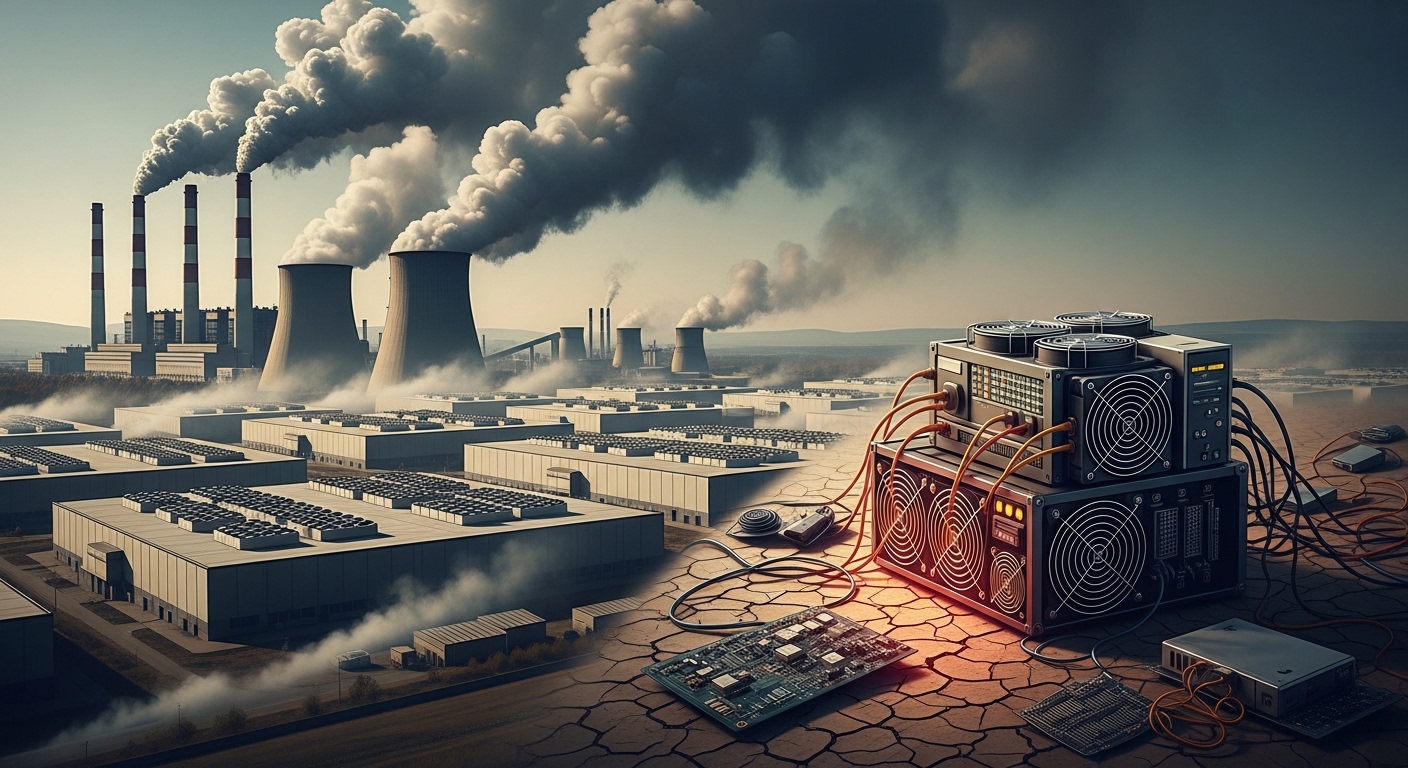
For example, mining operations in regions with deregulated energy markets often exploit cheap fossil fuel power, leading to concentrated pollution hotspots.
Cross-Border Pollution Effects
Air pollution does not respect borders. As Bitcoin mining increases air pollution, emissions can travel hundreds of miles, affecting populations far removed from the actual mining site. This makes the issue a transnational concern rather than a localized one.
Bitcoin Mining Increases Air Pollution and Environmental Justice Concerns
Disproportionate Impact on Marginalized Communities
Environmental justice advocates argue that Bitcoin mining increases air pollution in ways that disproportionately harm low-income and marginalized communities. These populations often lack political influence and resources to oppose mining developments or seek remediation. In many cases, communities have reported worsening air quality without receiving economic benefits from nearby mining operations.
Lack of Transparency and Regulation
Another challenge is the lack of transparency surrounding mining operations. As Bitcoin mining increases air pollution, regulators often struggle to track emissions accurately due to limited reporting requirements and complex energy sourcing arrangements. This regulatory gap makes it difficult to enforce environmental protections or hold operators accountable.
Bitcoin Mining Increases Air Pollution Despite Renewable Claims
The Renewable Energy Debate
Many mining companies claim to use renewable energy, but critics argue that these claims are often overstated. Even when renewables are involved, Bitcoin mining increases air pollution indirectly by diverting clean energy from other uses, forcing grids to rely more heavily on fossil fuels. This phenomenon, known as energy displacement, undermines the environmental benefits of renewables in mining contexts.
Intermittency and Backup Power Issues
Renewable energy sources like wind and solar are intermittent. When these sources fall short, backup power often comes from fossil fuels. As a result, Bitcoin mining increases air pollution even in regions with significant renewable infrastructure.
Scientific Studies Linking Bitcoin Mining and Air Pollution
Recent peer-reviewed research has strengthened the case that Bitcoin mining increases air pollution with tangible health consequences. Studies analyzing emissions data, energy usage, and health outcomes have found statistically significant links between mining activity and increased levels of harmful pollutants. These findings challenge earlier narratives that framed Bitcoin’s environmental impact solely in terms of carbon emissions, expanding the discussion to include direct human health effects.
Policy Responses to Bitcoin Mining Increases Air Pollution
Regulatory Efforts and Government Scrutiny
As evidence mounts that Bitcoin mining increases air pollution, governments are beginning to take action. Some jurisdictions have imposed moratoriums on new mining operations, while others are considering stricter emissions standards and energy usage disclosures. These policy responses reflect growing recognition that mining’s externalities must be addressed.
Industry Pushback and Economic Arguments
The mining industry often argues that restrictions could stifle innovation and economic growth. However, critics counter that economic benefits should not come at the expense of public health, especially when Bitcoin mining increases air pollution in vulnerable communities.
Bitcoin Mining Increases Air Pollution and the Future of Crypto
Technological Alternatives and Energy Innovation
There is growing interest in alternative consensus mechanisms that require less energy. While Bitcoin remains committed to proof-of-work, other cryptocurrencies have adopted less energy-intensive models, reducing pollution concerns. Unless meaningful changes occur, Bitcoin mining increases air pollution will remain a central issue in debates about the cryptocurrency’s future.
Market Pressure and Investor Awareness
Investors are increasingly factoring environmental and social risks into decision-making. As awareness grows that Bitcoin mining increases air pollution, pressure may mount on mining companies to adopt cleaner practices or face reduced capital access.
Conclusion
The growing body of evidence showing that Bitcoin mining increases air pollution harmful to human health has shifted the conversation from abstract environmental concerns to urgent public health realities. While Bitcoin continues to transform global finance, its environmental costs can no longer be ignored or minimized.
See more: Bitcoin Mining Hit by Severe Winter Storm in US Disrupts Ashgate
