


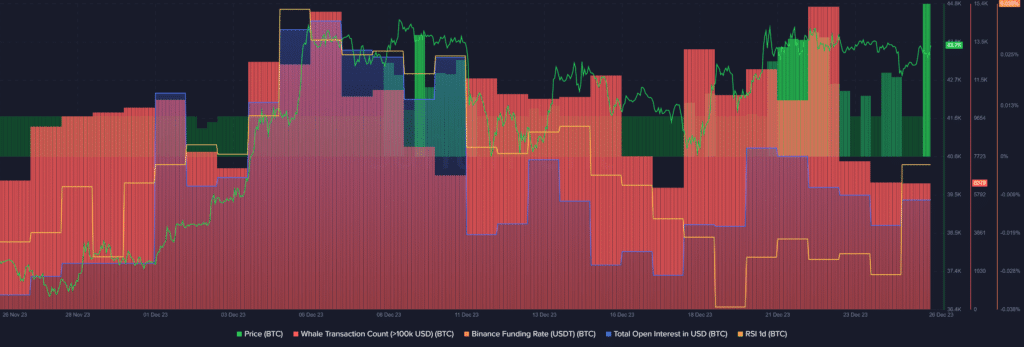
Bitcoin sinks below $87,000 as crypto assets slide, metals soar post-Xmas—this headline captures a pivotal moment for global financial markets. The post-Christmas trading period has triggered sharp volatility across asset classes, with cryptocurrencies experiencing renewed selling pressure while traditional safe-haven assets such as gold and silver rally aggressively. For investors who expected a Santa rally to extend into the final week of the year, the sudden downturn has raised difficult questions about market direction, risk appetite, and macroeconomic forces shaping 2025.
The cryptocurrency market entered December with strong momentum, fueled by optimism surrounding spot Bitcoin ETFs, expectations of Federal Reserve rate cuts, and increasing institutional adoption. However, as Bitcoin sinks below $87,000, sentiment has rapidly shifted. Altcoins have followed Bitcoin’s lead, suffering deeper losses as liquidity thins during the holiday period. In contrast, precious metals have surged, reflecting a renewed demand for stability amid rising geopolitical risks and uncertain monetary policy outlooks.
This article provides a comprehensive breakdown of why Bitcoin sinks below $87,000, how broader crypto assets are reacting, and why metals are soaring post-Xmas. By examining macroeconomic drivers, investor psychology, and market structure, we aim to explain what this divergence means for traders and long-term investors heading into 2025.
Bitcoin sinks below $87,000 amid renewed market pressure
Bitcoin sinks below $87,000 following a wave of profit-taking and declining liquidity that typically characterizes post-holiday trading. After reaching multi-week highs earlier in December, Bitcoin struggled to maintain upward momentum as institutional desks closed books for the year. This reduced buying interest made the market more vulnerable to sharp downside moves triggered by relatively small sell orders.
Another factor contributing to Bitcoin’s decline is the strengthening of the U.S. dollar. As yields on U.S. Treasuries stabilized and inflation data showed mixed signals, investors reduced exposure to risk-on assets. This environment has historically pressured Bitcoin, which still trades as a high-beta macro asset despite its growing reputation as digital gold.
From a technical perspective, Bitcoin’s failure to hold key support levels accelerated the sell-off. Once the price slipped below short-term moving averages, algorithmic trading systems amplified downside momentum. As Bitcoin sinks below $87,000, stop-loss orders clustered near this level were triggered, further intensifying selling pressure.
Why crypto assets are sliding alongside Bitcoin
Altcoins face amplified losses
When Bitcoin sinks below $87,000, the impact on altcoins is typically more severe. Ethereum, Solana, and other large-cap cryptocurrencies have experienced sharper percentage declines as investors rotate out of higher-risk assets. Smaller market caps and lower liquidity make altcoins particularly vulnerable during periods of uncertainty, leading to cascading losses across the crypto ecosystem.
This sell-off reflects a broader de-risking trend rather than project-specific weaknesses. As Bitcoin dominance increases during market downturns, capital flows out of speculative tokens and into either Bitcoin itself or entirely outside the crypto market.
Liquidity dries up post-Xmas
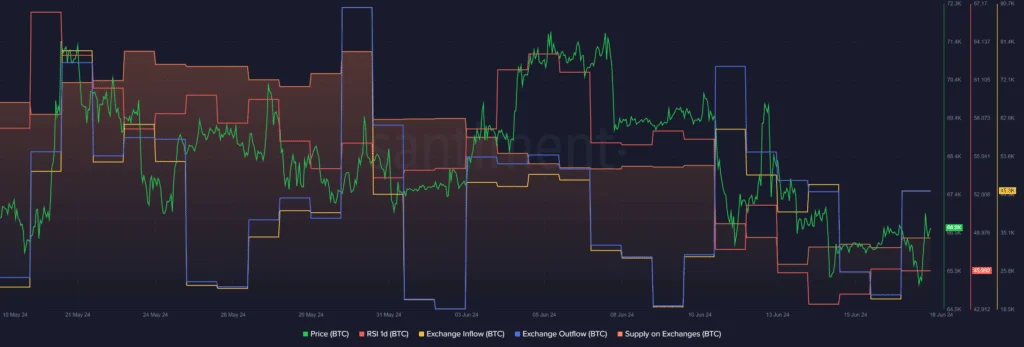
The post-Xmas period is notorious for thin trading volumes, which magnify price movements in both directions. With fewer participants active in the market, even modest sell orders can push prices lower. This structural factor helps explain why crypto assets slide more sharply during late December compared to other times of the year.
As Bitcoin sinks below $87,000, liquidity fragmentation across exchanges has further exacerbated volatility. Traders attempting to exit positions quickly may accept worse prices, reinforcing the downward trend.
Metals soar post-Xmas as investors seek safety
Gold regains its safe-haven appeal
While crypto assets slide, metals soar post-Xmas, signaling a classic flight to safety. Gold prices have climbed steadily as investors hedge against economic uncertainty, geopolitical tensions, and potential policy missteps by central banks. The contrast between Bitcoin’s decline and gold’s rally highlights the persistent debate over whether cryptocurrencies can truly replace traditional safe-haven assets.
Gold’s strength is also supported by expectations that real interest rates may decline in 2025. If inflation remains sticky while nominal rates fall, gold becomes increasingly attractive as a store of value.
Silver and industrial metals follow suit
Silver and other metals have also benefited from improved demand outlooks and supply constraints. Industrial metals are gaining support from expectations of infrastructure spending and the energy transition, while silver straddles the line between industrial use and monetary demand. As metals soar post-Xmas, diversified investors are rebalancing portfolios away from volatile digital assets toward tangible commodities.
Macro factors driving the divergence between crypto and metals
Interest rate uncertainty reshapes markets
One of the key drivers behind why Bitcoin sinks below $87,000 is uncertainty surrounding interest rate policy. Although markets initially priced in aggressive rate cuts for 2025, recent economic data has forced investors to reassess these expectations. Higher-for-longer rates reduce the appeal of non-yielding assets like Bitcoin, particularly when volatility rises.
Metals, on the other hand, benefit from their historical role as inflation hedges. Even modest inflation concerns can push investors toward gold and silver, especially when confidence in growth assets weakens.
Geopolitical risk boosts metals demand
Geopolitical tensions have intensified toward year-end, increasing demand for safe assets. Conflicts, trade disputes, and political uncertainty all contribute to a cautious investment environment. As crypto assets slide, metals soar post-Xmas because they are perceived as more stable during periods of global stress.
Investor sentiment shifts as Bitcoin sinks below $87,000
Market sentiment plays a crucial role in short-term price movements. The psychological impact of seeing Bitcoin sinks below $87,000 cannot be underestimated, particularly for retail investors who entered the market at higher levels. Fear-driven selling often follows key price breaches, reinforcing bearish momentum.
At the same time, institutional investors are taking a more measured approach. While some funds are reducing exposure, others view the decline as a potential accumulation opportunity. This divergence in behavior reflects the maturing nature of the crypto market, where long-term conviction coexists with short-term volatility.
Is Bitcoin losing its safe-haven narrative?
Digital gold debate resurfaces
Whenever Bitcoin sinks below $87,000 while gold rallies, questions arise about Bitcoin’s role as digital gold. Critics argue that Bitcoin still behaves more like a speculative asset than a true store of value, particularly during risk-off environments. Supporters counter that Bitcoin’s long-term performance and fixed supply still make it an attractive hedge against fiat currency debasement.
The current divergence does not necessarily invalidate Bitcoin’s long-term thesis but highlights its evolving nature. As adoption grows, Bitcoin may gradually decouple from traditional risk assets, though this process remains uneven.

Correlation with equities remains a challenge
Bitcoin’s correlation with equity markets has increased during periods of stress, undermining its diversification benefits. As stocks face pressure, Bitcoin often follows suit, while metals move in the opposite direction. This dynamic explains why crypto assets slide while metals soar post-Xmas.
What this market shift means for 2025
Portfolio diversification becomes critical
The recent market action underscores the importance of diversification. Investors heavily concentrated in cryptocurrencies have experienced heightened volatility, while those with exposure to metals have benefited from stability. As Bitcoin sinks below $87,000, reassessing asset allocation becomes essential for managing risk in the year ahead.
Regulatory and institutional trends still matter
Despite short-term weakness, structural trends supporting crypto adoption remain intact. Regulatory clarity, institutional participation, and technological innovation continue to provide a foundation for long-term growth. However, near-term price action will likely remain sensitive to macroeconomic developments.
Technical outlook after Bitcoin sinks below $87,000
From a technical standpoint, Bitcoin’s ability to reclaim lost support levels will determine whether the current move is a temporary correction or the start of a deeper pullback. Key resistance zones now lie above $90,000, while downside risks remain if selling pressure persists.
For metals, sustained momentum depends on macro conditions and central bank policy signals. If uncertainty continues into early 2025, metals could maintain their upward trajectory.
Conclusion
Bitcoin sinks below $87,000 as crypto assets slide, metals soar post-Xmas, marking a decisive shift in market sentiment during a traditionally volatile period. Thin liquidity, macroeconomic uncertainty, and renewed demand for safe-haven assets have combined to pressure cryptocurrencies while boosting precious metals. This divergence highlights the evolving role of Bitcoin within global portfolios and reinforces the importance of diversification.
As markets move into 2025, investors should remain mindful of both risks and opportunities. While short-term volatility may persist, long-term trends in crypto adoption and monetary dynamics continue to shape the investment landscape. Understanding why crypto assets slide while metals soar post-Xmas provides valuable insight into navigating the complex interplay between innovation and stability.
FAQs
Q. Why did Bitcoin sink below $87,000 after Christmas?
Bitcoin sank below $87,000 due to thin post-holiday liquidity, profit-taking, and shifting macroeconomic expectations that reduced risk appetite among investors.
Q. Why are metals soaring while crypto assets slide?
Metals are soaring post-Xmas because investors are seeking safe-haven assets amid uncertainty, while cryptocurrencies remain sensitive to risk-off sentiment.
Q. Does this mean Bitcoin is no longer a safe-haven asset?
Not necessarily. Bitcoin’s long-term store-of-value narrative remains intact, but short-term volatility and correlation with risk assets still challenge its safe-haven status.
Q. How does interest rate policy affect Bitcoin and metals?
Higher or uncertain interest rates pressure Bitcoin by increasing opportunity costs, while metals benefit from their role as inflation hedges.
Q. What should investors do after this market shift?
Investors should reassess portfolio diversification, manage risk carefully, and stay informed about macroeconomic and regulatory developments heading into 2025.
