


This historic milestone marks a significant step forward for the Aptos blockchain ecosystem and provides institutional and retail traders with a compliant pathway to gain leveraged exposure to APT, the native token of one of the fastest-growing Layer 1 blockchains. The introduction of regulated Aptos futures trading represents more than just another product launch; it signals growing institutional acceptance of alternative Layer 1 platforms beyond Bitcoin and Ethereum. As the cryptocurrency industry continues its evolution toward mainstream financial integration, the availability of US-regulated derivatives for Aptos provides validation for the blockchain’s technology, adoption trajectory, and long-term viability in an increasingly competitive smart contract platform landscape.
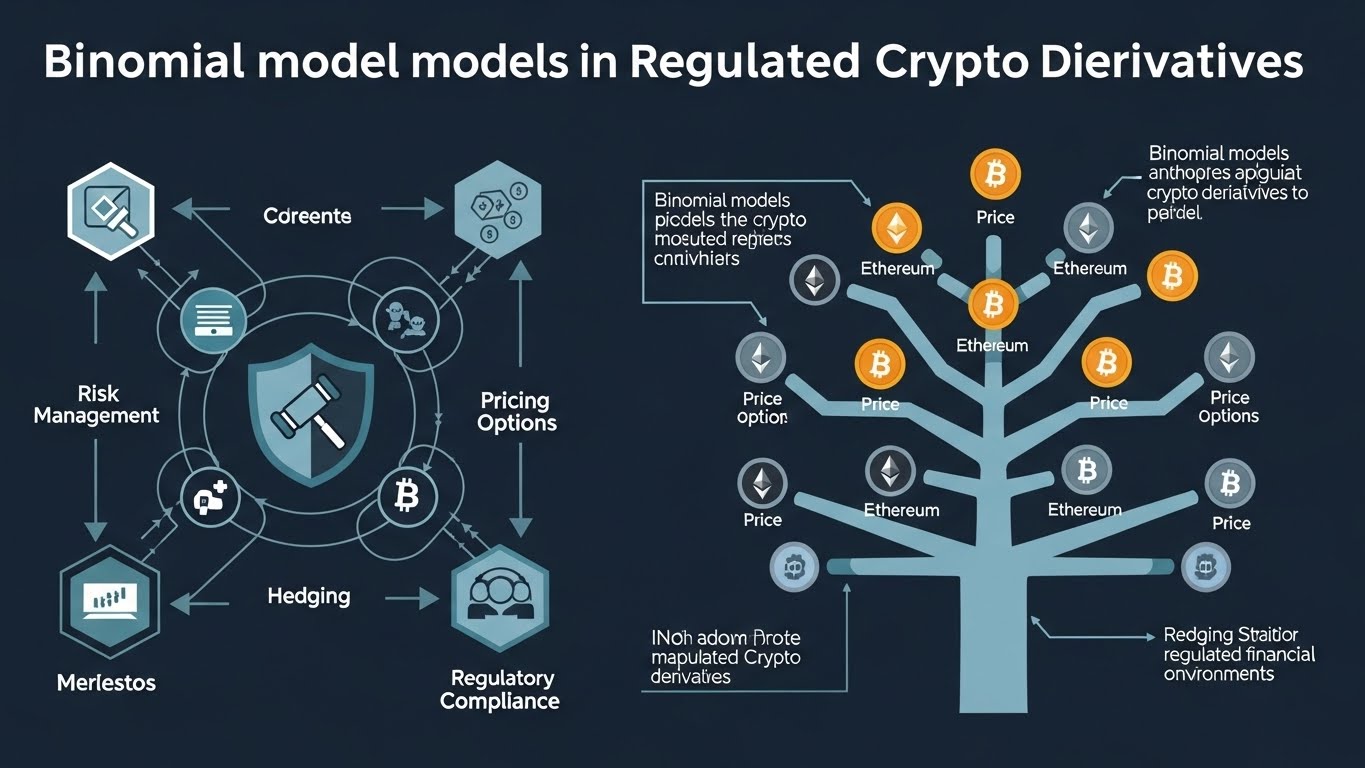
Before diving into the specifics of the Aptos futures launch, it’s essential to understand Binomials’ unique position in the cryptocurrency derivatives ecosystem. Founded with a mission to bring transparent, regulated derivatives trading to digital assets, Binomial has established itself as a pioneer in obtaining regulatory approval for crypto futures products in the United States. Unlike offshore exchanges that operate in regulatory gray zones, Binomials functions under the oversight of the Commodity Futures Trading Commission, providing traders with the legal protections and market integrity standards associated with traditional regulated markets.
Binomial’s approach to launching regulated cryptocurrency futures involves rigorous compliance processes, robust market surveillance systems, and partnership with clearing organizations that ensure contract settlement and counterparty risk management. This infrastructure creates a trading environment where institutional investors can participate with confidence, knowing they’re operating within established regulatory frameworks rather than navigating uncertain legal landscapes.
The exchange has previously launched regulated futures contracts for various digital assets, building a track record that made the US-regulated Aptos futures launch possible. Each new contract listing requires extensive documentation, risk assessments, and regulatory review before approval. The fact that Bitnomial successfully navigated this process for Aptos demonstrates both the exchange’s operational capabilities and the maturity of the Aptos blockchain ecosystem itself.
The Regulatory Framework Behind Aptos Futures
The regulatory framework governing US-regulated Aptos futures falls under the jurisdiction of the Commodity Futures Trading Commission, which classifies most cryptocurrencies as commodities rather than securities. This classification allows for futures contracts to be offered on CFTC-regulated exchanges, providing a legal pathway for derivative products that might not be available through securities-focused platforms.
Binomials’ designation as a Designated Contract Market under CFTC regulations means it must adhere to stringent requirements regarding market integrity, participant protection, and operational standards. These requirements include maintaining adequate financial resources, implementing robust technology systems, establishing clear trading rules, and providing transparent price discovery mechanisms. For traders, this regulatory oversight translates into protections against market manipulation, fair access to markets, and recourse mechanisms if disputes arise.
The approval process for listing Aptos futures contracts involved demonstrating that sufficient market interest exists, that reliable price discovery mechanisms are available in the spot market, and that the contract specifications meet regulatory standards for hedging and trading purposes. Binomial’s success in obtaining approval suggests that Aptos has achieved sufficient market maturity and liquidity to support a regulated derivatives product.
What Are Aptos Futures and How Do They Work
For traders new to cryptocurrency derivatives or unfamiliar with the Aptos blockchain, understanding what Aptos futures contracts actually represent is crucial. Futures contracts are standardized agreements to buy or sell an asset at a predetermined price at a specified future date. In the case of US-regulated Aptos futures, these contracts provide exposure to the price movements of APT tokens without requiring traders to hold the underlying cryptocurrency directly.
The mechanics of Aptos futures trading involve several key components. Each contract specifies a set amount of APT tokens, an expiration date, and settlement terms. Traders can take long positions, betting that APT prices will rise, or short positions, speculating on price declines. The leverage available through futures contracts means traders can control larger positions than their initial capital would allow in spot markets, amplifying both potential gains and losses.
Settlement of regulated Aptos futures can occur through either physical delivery of APT tokens or cash settlement based on a reference price at expiration. The specific settlement mechanism depends on the contract specifications established by Binomials, though cash settlement is more common for crypto futures as it simplifies operational logistics and reduces the custody requirements for exchanges and clearinghouses.
Contract Specifications and Trading Parameters
The technical specifications of Binomial’s Aptos futures define important parameters that traders must understand before participating in these markets. Contract size determines how much APT exposure each futures contract represents, affecting position sizing decisions and capital requirements. Tick size establishes the minimum price increment at which contracts can trade, influencing order placement strategies and potential slippage.
Margin requirements represent another critical specification for US-regulated Aptos futures. Initial margin defines how much capital traders must deposit to open positions, while maintenance margin determines the minimum account balance required to keep positions open. These margin requirements are set based on volatility assessments and risk models, with higher volatility assets typically requiring larger margin deposits to protect against adverse price movements.
Trading hours for regulated Aptos futures may differ from spot cryptocurrency markets, which operate twenty-four hours a day, seven days a week. Binomials’ futures contracts might have specific trading sessions aligned with traditional U.S. market hours or extend into evening sessions to accommodate global participation. Understanding these trading hours is essential for managing positions and avoiding unexpected exposure during non-trading periods.
The Significance of Aptos in the Blockchain Ecosystem
To appreciate why the launch of US-regulated Aptos futures matters, we need to understand Aptos’s position in the broader blockchain landscape. Aptos emerged as a high-performance Layer 1 blockchain designed to address scalability challenges that have plagued earlier blockchain platforms. Built by former Meta engineers who worked on the Diem project, Aptos leverages innovative technologies including the Move programming language and parallel execution engines to achieve high transaction throughput.
The Aptos blockchain has gained traction across several use cases including decentralized finance applications, gaming platforms, and NFT marketplaces. Its focus on developer experience, combined with technical capabilities that support complex smart contracts and high-volume applications, has attracted a growing ecosystem of projects building on the platform. This expanding ecosystem provides fundamental support for APT token value and creates organic demand that justifies regulated derivatives products.
The introduction of Aptos futures trading on a regulated U.S. exchange validates the blockchain’s progress and market acceptance. Regulatory approval processes require demonstrating that sufficient liquidity, price transparency, and market interest exist to support derivatives products. The fact that Aptos cleared these hurdles indicates the platform has moved beyond the experimental phase into mainstream recognition as a legitimate component of the multi-chain blockchain future.
Aptos Technical Innovations and Market Position
The technical architecture of Aptos incorporates several innovations that differentiate it from competitors and support its value proposition. The Move programming language, originally developed for Meta’s Diem project, provides enhanced security features and resource-oriented design patterns that reduce common smart contract vulnerabilities. This technical foundation appeals to developers building security-critical applications and contributes to the platform’s credibility.
Aptos’s consensus mechanism combines aspects of Byzantine Fault Tolerance with innovations that allow the network to process transactions in parallel rather than sequentially. This parallel execution capability enables significantly higher throughput than traditional blockchains that process transactions one at a time. For applications requiring high transaction volumes such as gaming or high-frequency DeFi protocols, this technical capability provides substantial advantages.
The market position of Aptos among Layer 1 blockchains has evolved since its mainnet launch. While Ethereum remains dominant in total value locked and developer mindshare, alternative Layer 1s like Aptos, Solana, and Avalanche have carved out niches and attracted specific use cases where their technical characteristics provide advantages. The availability of US-regulated Aptos futures helps legitimize Aptos’s position in this competitive landscape and provides tools for sophisticated traders to express views on its relative value.
Benefits of Trading Regulated Aptos Futures
The launch of US-regulated Aptos futures on Binomial creates several significant benefits for different categories of market participants. Understanding these advantages helps explain why regulated derivatives represent an important development for the cryptocurrency ecosystem beyond simply providing another trading product.
For institutional investors, the regulated nature of Aptos futures trading addresses compliance requirements that often prevent participation in unregulated crypto markets. Asset managers, hedge funds, and family offices operating under fiduciary responsibilities need to demonstrate that their investments meet regulatory standards and provide appropriate risk management controls. Regulated derivatives satisfy these requirements in ways that offshore or unregulated products cannot, opening doors for institutional capital that might otherwise remain on the sidelines.
Hedging capabilities represent another major benefit of Aptos futures contracts. Projects building on the Aptos blockchain, market makers providing liquidity in APT tokens, and investors holding APT positions all face price risk that can now be managed through futures markets. The ability to hedge exposure without selling underlying holdings preserves participation in the ecosystem while managing downside risk, creating more sustainable business models for Aptos ecosystem participants.
Price Discovery and Market Efficiency
The introduction of regulated Aptos futures also enhances price discovery and market efficiency for APT tokens. Futures markets aggregate information from diverse participants including speculators, hedgers, and arbitrageurs, whose trading activity helps establish fair market prices. This price discovery process benefits spot market participants by providing reference prices and reducing information asymmetries that can lead to inefficient pricing.
Leverage available through Aptos futures trading allows traders to express conviction with capital efficiency, meaning smaller amounts of capital can control larger positions. This leverage attracts sophisticated traders who might not want to commit substantial capital to holding spot APT but want to participate in price movements. The resulting increase in trading activity and market participation contributes to liquidity and tighter bid-ask spreads that benefit all market participants.
Arbitrage opportunities between US-regulated Aptos futures and spot markets create additional market efficiency benefits. When futures prices diverge from fair value relative to spot prices, arbitrageurs can profit by simultaneously trading futures and spot markets, bringing prices back into alignment. This arbitrage activity links futures and spot markets, ensuring that derivatives prices reflect underlying market conditions and that price discovery flows between related markets.
Comparing Bitnomial’s Aptos Futures to Other Crypto Derivatives
The launch of Bitnomial’s regulated Aptos futures occurs within a broader landscape of cryptocurrency derivatives that includes both regulated and unregulated products across various platforms. Understanding how these US-regulated Aptos futures compare to alternatives helps traders determine which products best suit their needs and risk preferences.
Offshore exchanges like Binance, Bybit, and OKX have offered perpetual swaps and futures contracts on APT and numerous other cryptocurrencies for some time. These products often feature higher leverage, lower fees, and continuous trading compared to regulated alternatives. However, they lack the regulatory oversight, participant protections, and legal certainty that characterize US-regulated derivatives. For U.S.-based traders, participating in these offshore platforms creates regulatory risk, while institutional investors often cannot use unregulated venues due to compliance requirements.
The Chicago Mercantile Exchange offers Bitcoin and Ethereum futures contracts that provide regulated exposure to major cryptocurrencies. While these products benefit from CME’s deep liquidity and institutional participation, they’ve historically focused on the largest cryptocurrencies rather than alternative Layer 1 platforms. Bitnomial’s Aptos futures fill a gap by providing regulated access to a promising alternative blockchain that might not meet CME’s listing thresholds given its smaller market capitalization and shorter operating history.
Perpetual Swaps vs. Dated Futures Contracts
The structure of Aptos futures contracts on Bitnomial differs from the perpetual swap products popular on offshore exchanges. Traditional futures contracts have expiration dates at which positions settle and close, requiring traders to either roll positions into later-dated contracts or exit entirely. This structure aligns with traditional commodities and financial futures markets and facilitates clear price discovery at specific time horizons.
Perpetual swaps, conversely, never expire and use funding rate mechanisms to keep prices anchored to spot markets. These products appeal to traders seeking indefinite exposure without managing contract rollovers but create different risk dynamics around funding costs. The choice between regulated dated futures and unregulated perpetual swaps depends on trading objectives, regulatory requirements, and preferences around contract mechanics.
For institutional participants and sophisticated traders prioritizing regulatory compliance, US-regulated Aptos futures from Bitnomial offer advantages despite potentially higher costs or lower leverage compared to offshore alternatives. The legal clarity, counterparty protections through clearinghouses, and transparent market surveillance provide risk management benefits that outweigh the convenience features of unregulated products.
Institutional Adoption and Market Implications
The availability of US-regulated Aptos futures carries significant implications for institutional adoption of both derivatives products and the Aptos blockchain itself. Institutional capital has increasingly flowed into cryptocurrency markets, but regulatory barriers and compliance requirements have constrained which assets and products institutions can access. Regulated derivatives remove these barriers and create pathways for institutional participation.
Asset managers seeking diversified cryptocurrency exposure beyond Bitcoin and Ethereum now have a regulated mechanism to gain exposure to Aptos. The ability to trade Aptos futures within existing regulatory frameworks means these institutions don’t need to build entirely new compliance processes or custody solutions specific to APT tokens. This accessibility could drive increased institutional interest in the Aptos ecosystem and support higher valuations as institutional demand emerges.
Market makers and liquidity providers benefit from regulated Aptos futures as they create additional venues and products for their trading strategies. The arbitrage opportunities between futures and spot markets, along with volatility trading strategies enabled by options potentially coming in the future, provide revenue opportunities for firms specializing in cryptocurrency market making. Increased market maker participation typically leads to tighter spreads and deeper liquidity that benefits all traders.
Impact on Aptos Ecosystem Development
Beyond direct trading implications, the launch of US-regulated Aptos futures sends important signals to the broader Aptos ecosystem. Developers and projects building on Aptos can point to regulated derivatives availability as evidence of the platform’s legitimacy and market acceptance. This validation may attract higher-quality projects and developers who want to build on blockchains with demonstrated staying power rather than platforms that might fade as market trends shift.
Funding dynamics for Aptos ecosystem projects could also improve as regulated futures provide hedging tools for venture capital firms and project treasuries. VCs holding APT tokens can now hedge price risk, reducing the pressure to liquidate holdings during market downturns. Projects that raised funding in APT tokens or hold treasury reserves in APT can similarly manage price exposure, creating more stable financial foundations for long-term development efforts.
The availability of Aptos derivatives may also influence how protocols within the Aptos ecosystem design tokenomics and incentive structures. When stakeholders can hedge positions through regulated markets, protocols might attract participants who would otherwise avoid exposure due to unhedgeable price risk. This dynamic could accelerate adoption of Aptos-based DeFi protocols, NFT platforms, and other applications.
Risk Considerations for Aptos Futures Trading
While US-regulated Aptos futures create opportunities, they also introduce risks that traders must understand before participating. Futures trading inherently carries leverage-related risks where losses can exceed initial margin deposits if positions move adversely. The volatility characteristic of cryptocurrency markets amplifies these risks, as rapid price swings can trigger margin calls and forced liquidations.
Basis risk represents another consideration when trading Aptos futures. Basis refers to the difference between futures prices and spot prices, which fluctuates based on factors including interest rates, storage costs, and market sentiment about future price movements. For traders using futures to hedge spot positions, unexpected basis movements can reduce hedging effectiveness and create unintended exposures.
The relatively new nature of both the Aptos blockchain and regulated Aptos futures contracts introduces additional uncertainties. Trading volumes and liquidity may be lower than for Bitcoin or Ethereum derivatives, potentially leading to wider bid-ask spreads and greater slippage when entering or exiting positions. Market depth might not support large orders without significant price impact, requiring careful execution strategies for larger traders.
Regulatory and Counterparty Risks
While regulatory oversight provides protections, it also creates risks if regulations change or if interpretations of existing rules shift. The cryptocurrency regulatory landscape continues evolving, and future policy changes could affect the viability or attractiveness of regulated Aptos futures. Traders should stay informed about regulatory developments that might impact their positions or trading strategies.
Counterparty risk, while mitigated through clearinghouse structures, never disappears entirely. In extreme market conditions or in the event of clearinghouse failures, traders could face settlement issues or losses beyond normal market risks. Understanding the specific clearing arrangements for Bitnomial’s Aptos futures and the financial strength of involved clearinghouses helps assess these tail risks.
Technical risks around blockchain performance and network stability also warrant consideration. If the Aptos network experiences outages, security incidents, or technical problems, APT prices could move dramatically, affecting futures positions. The fundamental linkage between derivatives prices and underlying blockchain health means traders need to monitor not just price charts but also technical developments and potential vulnerabilities in the Aptos platform.
Trading Strategies for Regulated Aptos Futures
Successful participation in US-regulated Aptos futures markets requires well-thought-out trading strategies appropriate to individual risk tolerances, market views, and trading objectives. Several strategic approaches can guide traders as they navigate these new derivatives products.
Directional trading represents the most straightforward strategy, where traders take long or short positions based on expectations about future APT price movements. Long positions profit when Aptos futures prices rise, while short positions benefit from declining prices. This approach requires developing conviction about future price direction through technical analysis, fundamental research on Aptos ecosystem developments, or macroeconomic views about cryptocurrency market cycles.
Spread trading involves simultaneously buying and selling related futures contracts to profit from changes in price relationships rather than absolute price movements. Calendar spreads, for instance, might involve buying near-term Aptos futures while selling longer-dated contracts, profiting if the price difference between contract months changes favorably. These strategies typically carry lower risk than outright directional positions but require understanding of futures market microstructure.
Hedging Applications for Ecosystem Participants
For participants in the Aptos ecosystem, regulated futures provide essential hedging tools. Developers who’ve received APT grants can hedge their holdings to protect against price declines while continuing to support network development. Validators earning rewards in APT can similarly hedge their revenue streams, converting variable-price token income into more predictable dollar-denominated cash flows through futures positions.
Market makers and liquidity providers in Aptos DeFi protocols face inventory risk from holding APT tokens as part of their operations. Aptos futures allow these participants to hedge spot holdings, maintaining liquidity provision activities while managing price risk. This capability enables more efficient market making and potentially tighter spreads in Aptos DeFi applications.
Long-term investors might use regulated Aptos futures to adjust exposure without selling spot holdings that might trigger tax liabilities or lose staking positions. By selling futures contracts, investors can temporarily reduce economic exposure to APT price movements while maintaining their spot positions and associated benefits. This strategy provides tactical flexibility within long-term investment frameworks.
The Future of Regulated Crypto Derivatives
The launch of Bitnomial’s US-regulated Aptos futures represents one step in the broader evolution of regulated cryptocurrency derivatives markets. Looking forward, several trends will likely shape how these markets develop and what products become available to traders.
Expansion to additional Layer 1 and Layer 2 blockchains seems probable as platforms beyond Bitcoin, Ethereum, and now Aptos achieve sufficient market maturity. Blockchains like Solana, Avalanche, Polygon, and Arbitrum have developed substantial ecosystems that could support regulated futures products. Each new listing provides validation for the underlying blockchain and creates trading tools for an expanding universe of cryptocurrency assets.
Options contracts represent a logical next step for regulated Aptos derivatives. While futures provide linear exposure to price movements, options offer non-linear payoff structures useful for hedging specific risks or implementing complex trading strategies. Regulated options on Aptos would enable covered call strategies for yield generation, protective puts for downside protection, and sophisticated multi-leg strategies for professional traders.
Integration with Traditional Finance
The boundaries between cryptocurrency derivatives and traditional financial products continue blurring as regulated exchanges like Bitnomial bridge these worlds. We may see increasing integration where regulated crypto futures trade alongside traditional futures contracts, where institutional trading platforms offer unified access to both crypto and traditional derivatives, and where risk management and clearing infrastructure handles multiple asset classes seamlessly.
Tokenization of traditional assets and the development of blockchain-based financial infrastructure create opportunities for entirely new derivative products. Regulated futures on tokenized commodities, securities, or real estate could trade on exchanges that currently focus on cryptocurrency derivatives, leveraging the technical and regulatory infrastructure built for products like Aptos futures to serve broader markets.
The role of decentralized derivatives protocols alongside regulated exchanges will also evolve. While US-regulated Aptos futures serve traders requiring regulatory compliance, decentralized protocols offer permissionless access and innovative product structures. The coexistence and interaction between these parallel systems will shape the future derivatives landscape, potentially with regulated venues providing institutional on-ramps while DeFi protocols serve as experimental laboratories for new financial products.
Conclusion: A Milestone for Aptos and Regulated Crypto Markets
The launch of Bitnomial’s US-regulated Aptos futures marks a significant milestone in the continuing maturation of cryptocurrency derivatives markets and the growing institutional acceptance of alternative Layer 1 blockchains. By providing compliant, transparent, and professionally managed Aptos futures trading, Bitnomial removes barriers that have prevented many sophisticated market participants from expressing views on Aptos or managing exposure to this innovative blockchain platform. The availability of regulated derivatives validates Aptos’s technical achievements and market position while creating tools that benefit the entire ecosystem from developers and protocols to traders and investors.
As US-regulated Aptos futures begin trading and liquidity develops, we can expect to see increased institutional interest in the Aptos blockchain, more sophisticated hedging strategies from ecosystem participants, and improved price discovery that benefits all APT market participants. The precedent set by this launch paves the way for additional regulated derivatives products across the cryptocurrency landscape, accelerating the integration of digital assets into mainstream finance.
For traders, investors, and anyone involved in the Aptos ecosystem, understanding how regulated Aptos futures work and the opportunities they create represents essential knowledge in an evolving market structure. Whether using these tools for speculation, hedging, or portfolio management, participants now have access to professional-grade derivatives that meet regulatory standards without sacrificing the innovation and opportunity that drew many to cryptocurrency markets in the first place.
See more OKX Relaunches in the U.S. with New Crypto Exchange & Wallet
