



As blockchain matures beyond speculative finance, initiatives like Good Tokens are redefining its role by focusing on transparency, accountability, and measurable global impact. By expanding the reach of its blockchain-powered ecosystem, Good Tokens is positioning itself at the intersection of technology, sustainability, and social responsibility.
Within the first phase of this expansion, Good Tokens broadens adoption of blockchain-based solutions across diverse sectors including humanitarian aid, environmental sustainability, education, and financial inclusion. This approach reflects a growing recognition that decentralized technologies can empower communities, improve trust in charitable systems, and enable scalable solutions for global good. As demand rises for ethical and transparent innovation, Good Tokens is emerging as a key player in the movement toward purpose-driven blockchain adoption.
The Evolution of Blockchain Beyond Finance
Blockchain technology initially gained prominence through cryptocurrencies, but its potential extends far beyond digital assets. The fact that Good Tokens broadens adoption of blockchain-based solutions highlights how the technology is evolving into a tool for social impact.
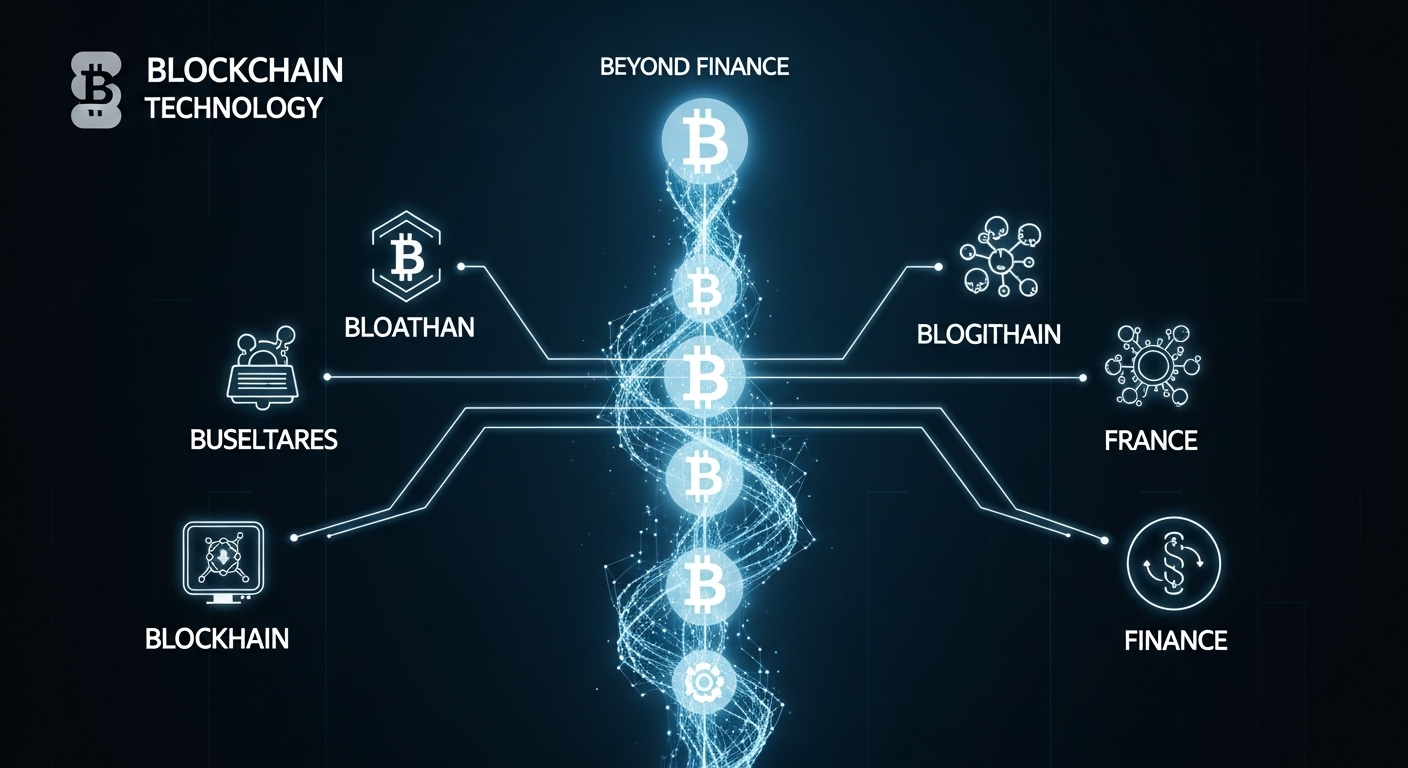
Distributed ledger technology offers immutable records, transparent transactions, and decentralized governance, all of which are critical for addressing inefficiencies in traditional systems. From tracking donations to verifying supply chains, blockchain’s ability to provide trust without intermediaries has profound implications for global development. Good Tokens leverages these core attributes to create systems that prioritize accountability and inclusivity, ensuring that blockchain innovation benefits society at large rather than a narrow group of participants.
Good Tokens Broadens Adoption of Blockchain-Based Solutions for Impact
At the heart of its mission, Good Tokens broadens adoption of blockchain-based solutions by designing platforms that align technological innovation with humanitarian objectives. Rather than focusing solely on profit-driven use cases, Good Tokens emphasizes ethical deployment and measurable outcomes.
The platform enables organizations, nonprofits, and social enterprises to use blockchain for tracking funds, verifying impact, and engaging stakeholders transparently. This shift from opaque systems to verifiable digital records builds trust among donors, beneficiaries, and partners. By expanding adoption across multiple regions and sectors, Good Tokens demonstrates that blockchain can be a practical instrument for addressing systemic challenges.
Transparency and Trust in Global Good Initiatives
One of the most significant challenges facing global good initiatives is the lack of transparency in how resources are allocated and used. The reason Good Tokens broadens adoption of blockchain-based solutions resonates with stakeholders is its focus on restoring trust.
Blockchain enables real-time tracking of transactions, ensuring that funds reach their intended destinations. This level of transparency reduces fraud, increases accountability, and enhances donor confidence. As global aid organizations face increasing scrutiny, blockchain-based transparency is becoming a critical differentiator, and Good Tokens is at the forefront of this transformation.
Redefining Accountability Through Distributed Ledgers
The distributed nature of blockchain ensures that no single entity controls the data, which strengthens accountability. By implementing decentralized verification mechanisms, Good Tokens broadens adoption of blockchain-based solutions that resist manipulation and misreporting.
Each transaction recorded on the blockchain becomes a permanent, auditable record. This capability is especially valuable in regions where trust in institutions is low or where oversight is limited. Good Tokens uses this feature to empower communities and donors alike, creating a shared source of truth that supports ethical governance.
Blockchain and Financial Inclusion
Financial inclusion remains one of the most pressing global challenges, with millions of people lacking access to basic banking services. The initiative where Good Tokens broadens adoption of blockchain-based solutions directly addresses this issue by enabling decentralized financial tools.
Blockchain-based wallets and tokenized systems can provide access to financial services without requiring traditional banking infrastructure. This is particularly impactful in underserved regions where mobile connectivity exists but banking access does not. By facilitating peer-to-peer transactions and micro-financing, Good Tokens helps bridge the gap between marginalized communities and the global economy.
Social Impact as a Core Blockchain Use Case
The fact that Good Tokens broadens adoption of blockchain-based solutions underscores a broader trend toward impact-focused technology. Social impact is no longer an afterthought but a central use case for blockchain innovation.
Good Tokens integrates impact measurement directly into its ecosystem, allowing stakeholders to assess outcomes in real time. This data-driven approach enables continuous improvement and ensures that initiatives remain aligned with their stated goals. As investors and organizations increasingly prioritize ESG criteria, platforms like Good Tokens offer a compelling model for aligning technology with values.
Environmental Sustainability and Blockchain Innovation
Environmental sustainability is another area where Good Tokens broadens adoption of blockchain-based solutions to create tangible benefits. Blockchain can track carbon credits, verify sustainable practices, and support environmental conservation efforts.
Good Tokens collaborates with partners to develop systems that monitor environmental impact and incentivize sustainable behavior. By tokenizing positive actions, the platform encourages participation and accountability. This approach demonstrates how blockchain can support climate goals rather than undermine them, countering criticisms about energy consumption and environmental harm.
Tokenization as a Tool for Incentivizing Good
Tokenization lies at the core of how Good Tokens broadens adoption of blockchain-based solutions. By issuing digital tokens linked to positive actions, the platform creates incentives for participation in social good initiatives.
These tokens can represent contributions, achievements, or verified impact, enabling new models of engagement. Participants are rewarded not just financially but also through recognition and access to broader networks. This innovative use of tokenization aligns economic incentives with ethical outcomes, fostering a more inclusive and purpose-driven ecosystem.
Partnerships Driving Global Reach
Strategic partnerships play a crucial role in ensuring that Good Tokens broadens adoption of blockchain-based solutions on a global scale. Collaboration with NGOs, enterprises, and governments enables the platform to address diverse challenges across different regions.
These partnerships facilitate knowledge exchange, regulatory alignment, and localized implementation. By working with established organizations, Good Tokens accelerates adoption while ensuring cultural and contextual relevance.
The result is a scalable model that adapts blockchain solutions to real-world needs rather than imposing one-size-fits-all approaches.
Good Tokens Broadens Adoption of Blockchain-Based Solutions Across Sectors
The versatility of blockchain is evident as Good Tokens broadens adoption of blockchain-based solutions across multiple sectors. Education initiatives use blockchain to verify credentials, while healthcare programs leverage it for secure data sharing.
In humanitarian aid, blockchain ensures that resources are distributed efficiently and transparently. In governance, it supports participatory decision-making and accountability. This cross-sector adoption highlights blockchain’s flexibility and reinforces Good Tokens’ role as a catalyst for inclusive innovation.
Overcoming Challenges to Adoption
Despite its promise, blockchain adoption faces challenges including regulatory uncertainty, technical complexity, and public skepticism. The reason Good Tokens broadens adoption of blockchain-based solutions successfully is its focus on usability and education.
By simplifying interfaces and providing clear value propositions, Good Tokens lowers barriers to entry. Educational initiatives help stakeholders understand blockchain’s benefits and limitations, fostering informed participation. This pragmatic approach ensures that adoption is sustainable rather than speculative.
Aligning With Global Regulatory Frameworks
Regulatory alignment is essential for scaling impact initiatives. As Good Tokens broadens adoption of blockchain-based solutions, it emphasizes compliance with international standards and local regulations. By engaging with policymakers and regulators, Good Tokens helps shape frameworks that support responsible innovation. This proactive stance reduces risk and builds credibility among institutional partners. Regulatory cooperation ensures that blockchain solutions for global good can operate securely and ethically.
Measuring Impact and Long-Term Value
One of the defining features of platforms where Good Tokens broadens adoption of blockchain-based solutions is the ability to measure impact accurately. Blockchain’s data integrity allows for reliable metrics and transparent reporting. Stakeholders can track progress, evaluate outcomes, and make data-driven decisions. This focus on measurement enhances accountability and demonstrates real value to donors and participants.
Conclusion
The movement where Good Tokens broadens adoption of blockchain-based solutions marks a critical turning point in the evolution of blockchain technology. By prioritizing transparency, inclusivity, and measurable impact, Good Tokens demonstrates how decentralized systems can address some of the world’s most pressing challenges.
As demand grows for ethical and sustainable innovation, platforms that align technology with purpose will shape the future. Now is the time for organizations, investors, and communities to engage with initiatives where Good Tokens broadens adoption of blockchain-based solutions and contribute to a more transparent, equitable, and impactful global ecosystem.
